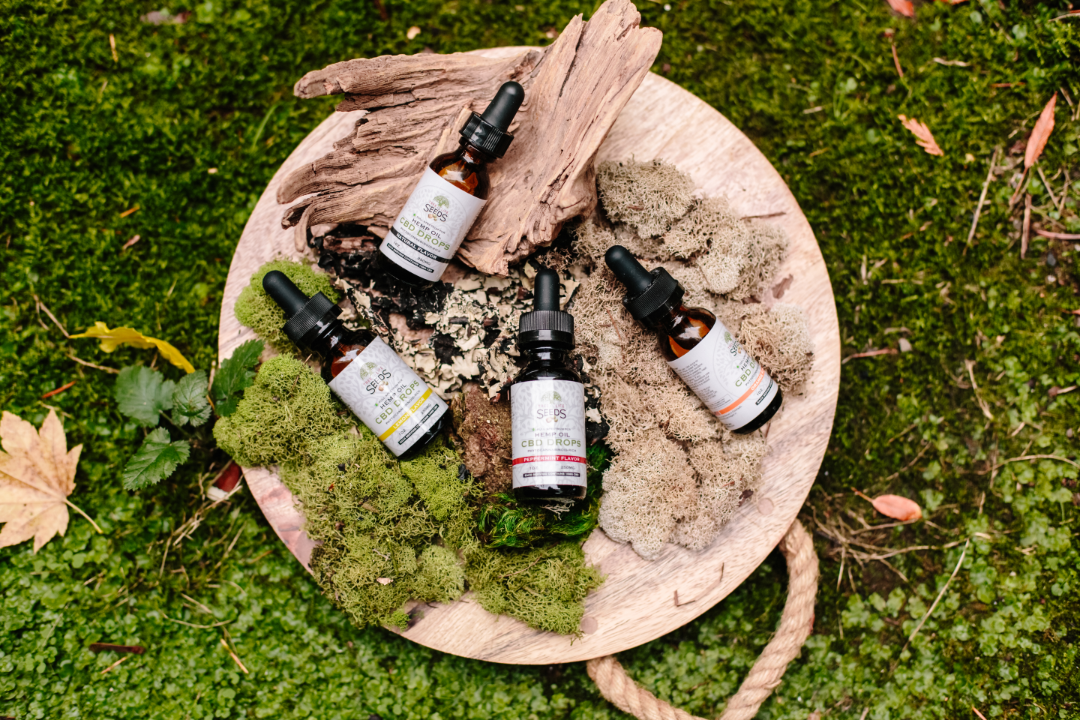

CBD oil has become one of the most talked-about wellness products of 2025. You’ve probably seen it online, in pharmacies, and even in supermarket wellness aisles. People use CBD for pain relief, stress reduction, better sleep, and improving overall balance — and interest continues to grow as new studies emerge. But with popularity comes confusion: Does CBD actually work? What does the research say? And what can first-time users realistically expect?
Whether you’re curious about CBD for personal use or simply want to understand the science behind it, this guide breaks down everything in a clear, trustworthy, beginner-friendly way.
What CBD Oil Is
CBD, short for cannabidiol, is a natural compound found in the hemp plant. Unlike THC — the compound responsible for marijuana’s “high” — CBD is non-intoxicating, meaning it won’t alter your mental state or affect your clarity.
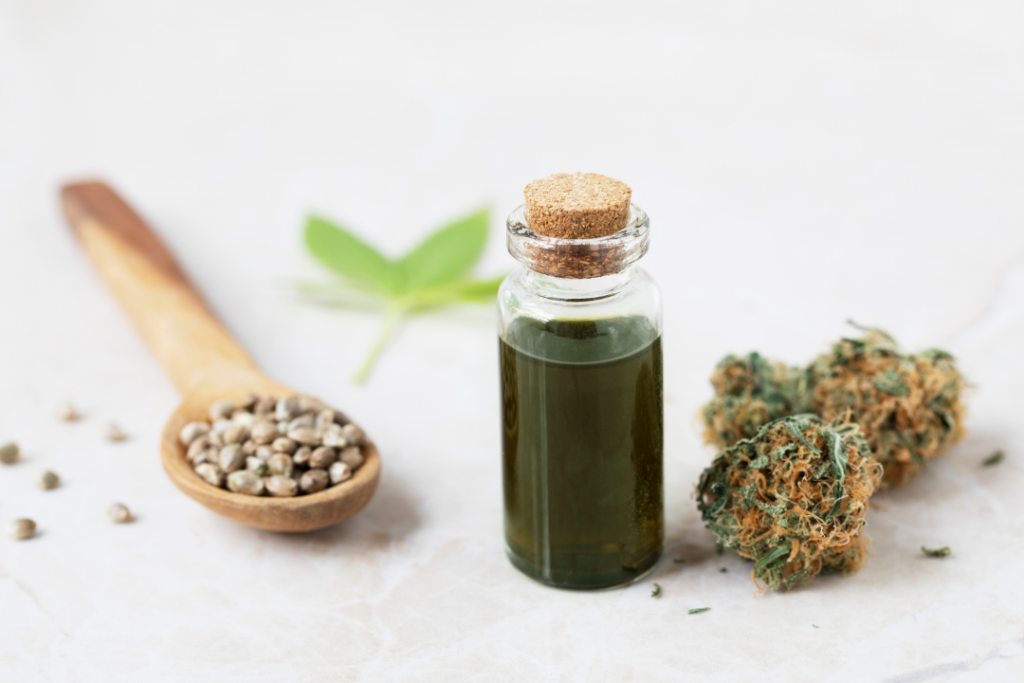
CBD oil is typically made by extracting CBD from hemp flowers and blending it with a carrier oil such as:
- MCT coconut oil
- hemp seed oil
- olive oil
The result is an easy-to-use wellness product that can be taken under the tongue, added to food, or mixed into topical creams. Most people use CBD not to escape reality but to improve everyday comfort, mood, and quality of life.
See more: Medical Cannabis Dosage Guidelines: How to Use Safely and Effectively
How CBD Works in the Body
CBD interacts with a biological network called the endocannabinoid system (ECS) — one of the body’s most important systems for maintaining balance. The ECS regulates:
- pain signals
- anxiety and mood
- sleep patterns
- immune response
- inflammation
- digestion
- neurological function
Think of the ECS as the body’s “balancing system.”
CBD doesn’t bind directly to ECS receptors the way THC does. Instead, it supports and strengthens the system, helping it function more effectively. This indirect action is one reason CBD feels subtle yet calming for many people.
Science-Supported Benefits
Although research is ongoing, CBD already has a strong body of evidence supporting its benefits. Here are the major areas where CBD shows promise — including what science currently says.
1. Pain Relief
Many people use CBD for chronic or occasional pain. Studies suggest that CBD can reduce discomfort by:
- lowering inflammation
- calming nerve activity
- interacting with pain-signaling pathways
People with arthritis, joint aches, menstrual cramps, migraines, and exercise-related soreness often report relief. While CBD isn’t a replacement for medical treatment, it can be a useful support tool for day-to-day pain management.
2. Anxiety and Stress Reduction
One of CBD’s most widely reported benefits is its ability to promote calmness without sedation. Research suggests CBD may:
- reduce excessive worry
- improve relaxation
- support emotional balance
- help with social anxiety
Unlike prescription anti-anxiety medications, CBD typically doesn’t cause grogginess or dependence. Many people use it during stressful workdays, before social events, or as part of a daily routine to lessen tension.
3. Sleep Improvement
CBD doesn’t knock you out like a sleeping pill. Instead, it helps quiet the mind and relax the body — making it easier to fall asleep naturally. Studies show CBD may support:
- deeper sleep
- better sleep continuity
- reduced nighttime restlessness
People who struggle with stress-induced insomnia often find CBD particularly helpful.
4. Inflammation Control
Inflammation is at the root of many chronic conditions, from joint pain to autoimmune flare-ups. CBD has powerful anti-inflammatory properties, supported by both human and animal studies.
This makes CBD popular with:
- athletes
- people with arthritis
- those recovering from injuries
- individuals with inflammatory skin conditions
5. Neurological Support
CBD is being studied for neurological conditions such as seizures, nerve pain, and neurodegenerative disorders. While this research is still developing, early results are promising.
CBD’s potential to support brain health makes it one of the most researched natural compounds today.
Risks, Side Effects, and Safety Considerations
CBD is generally well tolerated, but it’s not completely free of side effects. Some people may experience:
- dry mouth
- dizziness
- digestive discomfort
- fatigue (especially with higher doses)
- changes in appetite
These effects are usually mild and temporary.
A more serious consideration is medicine interaction. CBD may affect how the liver processes certain drugs — including antidepressants, blood thinners, and some heart medications. Anyone taking daily prescriptions should consult a healthcare professional before using CBD.
Another risk comes from poor-quality products. Because the CBD market is not universally regulated, some brands may contain contaminants, inaccurate CBD levels, or illegal amounts of THC. Choosing high-quality CBD is essential for safety and effectiveness.
CBD Oil Uses in 2025
CBD comes in several forms, each offering different benefits:
• CBD Oils/Tinctures
Fast-absorbing and easy to customise. Perfect for beginners.
• CBD Gummies
Taste-friendly and long-lasting. Great for steady all-day effects.
• CBD Capsules/Softgels
Ideal for precise, consistent dosing.
• Topicals (creams, balms, roll-ons)
Designed for targeted relief — especially joint and muscle pain.
• CBD Skincare
Increasingly used for redness, irritation, and acne-prone skin.
• CBD Drinks and Edibles
Popular for lifestyle wellness and relaxation.
In 2025, new technologies like water-soluble CBD, microdosed formulations, and nano-enhanced CBD are gaining attention for improved absorption.
Choosing Quality CBD Oil
Choosing the right CBD product makes a huge difference. Here’s how to avoid low-quality oils and choose something that actually works.
1. Check the Spectrum Type
CBD products come in three main forms:
- Full-Spectrum: Contains CBD + minor cannabinoids + trace THC. Offers the strongest “entourage effect.”
- Broad-Spectrum: Similar to full-spectrum but THC-free.
- Isolate: Pure CBD. Best for beginners avoiding all THC.
Each has advantages, but full-spectrum tends to deliver the most noticeable results for pain, anxiety, and sleep.
2. Look for Third-Party Lab Testing
Any reputable brand provides COAs (Certificates of Analysis) showing:
✔ CBD content
✔ THC levels
✔ safety and purity testing
✔ absence of pesticides, heavy metals, and solvents
Never buy CBD products without accessible lab results.
3. Understand Potency and Dosing
CBD potency is measured in milligrams (mg). General guidelines:
- Low Strength: 300–600mg
- Medium Strength: 900–1500mg
- High Strength: 2000mg and above
Start low, go slow. Most beginners start with 10–20mg per dose and adjust based on how they feel.
4. Read the Ingredient List
Clean, simple CBD is best. Avoid products containing:
✘ artificial flavours
✘ harsh preservatives
✘ mystery blends
✘ unclear carrier oils
Less is more when it comes to CBD ingredients.
5. Choose Safe Extraction Methods
The safest and most effective method is CO₂ extraction, which preserves cannabinoids without toxic solvents.
6. Research Brand Reputation
Look for:
- long-term customer reviews
- clear contact information
- transparent ingredient sourcing
- realistic health claims
Avoid brands promising “instant cures,” which are usually red flags.
Legal Considerations
CBD laws vary globally, but hemp-derived CBD with low or zero THC is legal in many countries. However, users should verify:
- THC limits
- age restrictions
- whether CBD is considered a supplement or therapeutic product
- rules around travel and transport
Every region has slightly different regulations, so checking local laws is essential.
When CBD Oil May NOT Be Suitable
CBD may not be appropriate for everyone. Avoid or use with caution if:
- you are pregnant or breastfeeding
- you take liver-metabolised medications
- you have certain heart conditions
- you are sensitive to cannabinoids
- you have severe medical conditions without doctor guidance
CBD is generally safe, but medical supervision is important when underlying health concerns exist.
Final Conclusion
CBD oil is one of the most versatile natural wellness products available today. Research supports its potential to reduce pain, improve sleep, lower anxiety, and control inflammation — all without the intoxicating effects of THC. But results vary from person to person, and choosing a high-quality, lab-tested product is essential.
For beginners, the key is to start slow, choose trustworthy brands, monitor your body’s response, and keep expectations realistic. With safe and consistent use, CBD can be a meaningful part of a balanced wellness routine.
FAQS
Most people notice effects within 15–45 minutes when using CBD oil under the tongue. Edibles and capsules take longer, usually 45–90 minutes. Pain relief and anxiety reduction build gradually, so consistent daily use often delivers the best results. Everyone responds differently, and potency also plays a role.
CBD may help reduce chronic pain by calming inflammation and supporting the nervous system. Many people with arthritis, joint issues, and long-term back pain report improvements. While CBD isn’t a cure, it may make pain more manageable. Consistency, proper dosage, and choosing full-spectrum products often enhance results.
CBD itself doesn’t cause strong sedation. Instead, it promotes calmness and relaxation. However, higher doses may feel more soothing and can make some users slightly drowsy. If you’re concerned about daytime sleepiness, start with a low dose and track how your body responds before increasing it.
CBD can interact with medications processed by the liver, including blood thinners and some antidepressants. This doesn’t mean you can’t use CBD — but you should speak with your doctor first. They can help you adjust timing, dosage, or monitor for interactions to ensure safe, effective use.