
Understanding Medical Cannabis
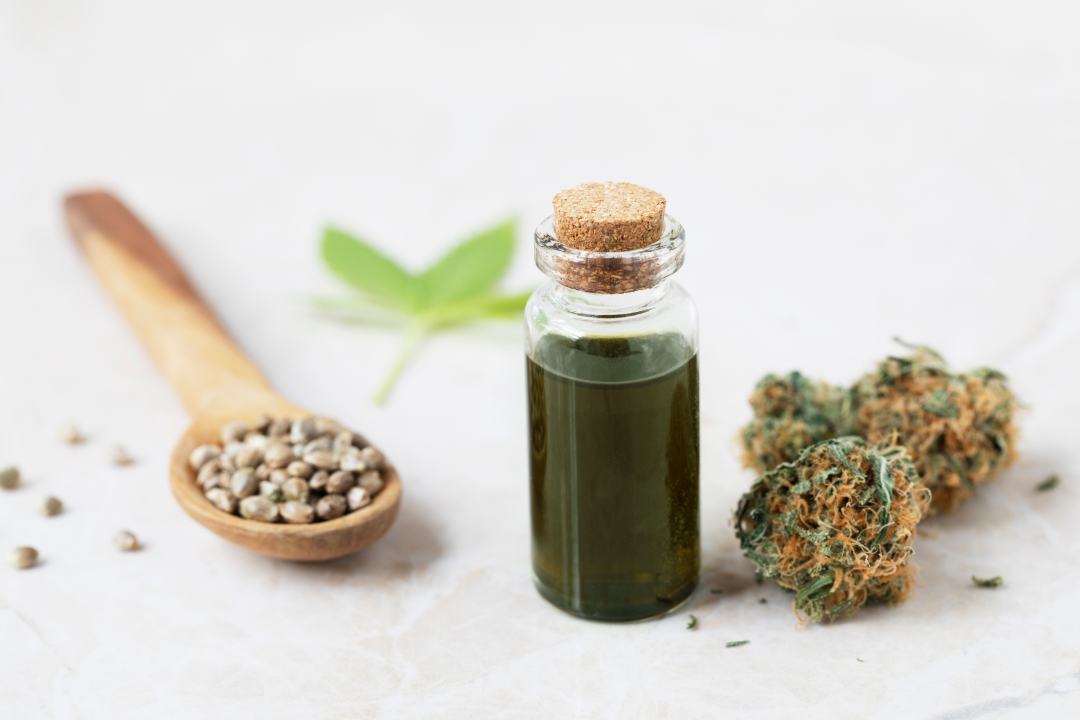
Medical cannabis, often referred to as medicinal marijuana, is derived from the Cannabis sativa plant. It contains chemical compounds known as cannabinoids, such as THC (tetrahydrocannabinol) and CBD (cannabidiol), which interact with the body’s endocannabinoid system. This interaction helps regulate various physiological processes like pain, mood, sleep, and appetite.
Today, medical cannabis is prescribed for conditions such as chronic pain, epilepsy, multiple sclerosis, anxiety, and chemotherapy-induced nausea. However, correct dosage and administration are essential to ensure safe and effective treatment outcomes.
Legal Status and Regulations in Australia
In Australia, medical cannabis was legalized at the federal level in 2016 under the Narcotic Drugs Amendment Act. It is strictly regulated by the Therapeutic Goods Administration (TGA), which oversees prescribing, supply, and importation.
Patients cannot purchase medical cannabis over the counter—it must be prescribed by an authorized healthcare provider. The doctor evaluates eligibility based on symptoms, previous treatments, and potential benefits. Products are typically obtained from approved pharmacies or licensed suppliers, ensuring quality and consistency.
Globally, medical cannabis laws vary widely. While countries like Canada and Germany have comprehensive frameworks, others still restrict its use to limited medical trials or compassionate access programs.
Determining the Right Dosage
One of the most complex aspects of medical cannabis treatment is dosage. Unlike traditional pharmaceuticals, cannabis does not have a “one-size-fits-all” dose. The correct amount depends on factors such as:
- Patient’s weight and metabolism
- Type and severity of the medical condition
- Ratio of THC to CBD
- Method of administration (oil, capsule, vapor, edible, etc.)
- Individual tolerance and previous cannabis experience
A common clinical approach is the “start low, go slow” method—beginning with a minimal dose and gradually increasing it until therapeutic effects are achieved without side effects. For example, a doctor might start a patient on a 2.5 mg dose of THC and adjust over several days or weeks.
See more: CPAP Machines Australia: A Buying Guide for Locals
Forms and Administration Methods
Medical cannabis comes in several forms, each affecting the body differently:
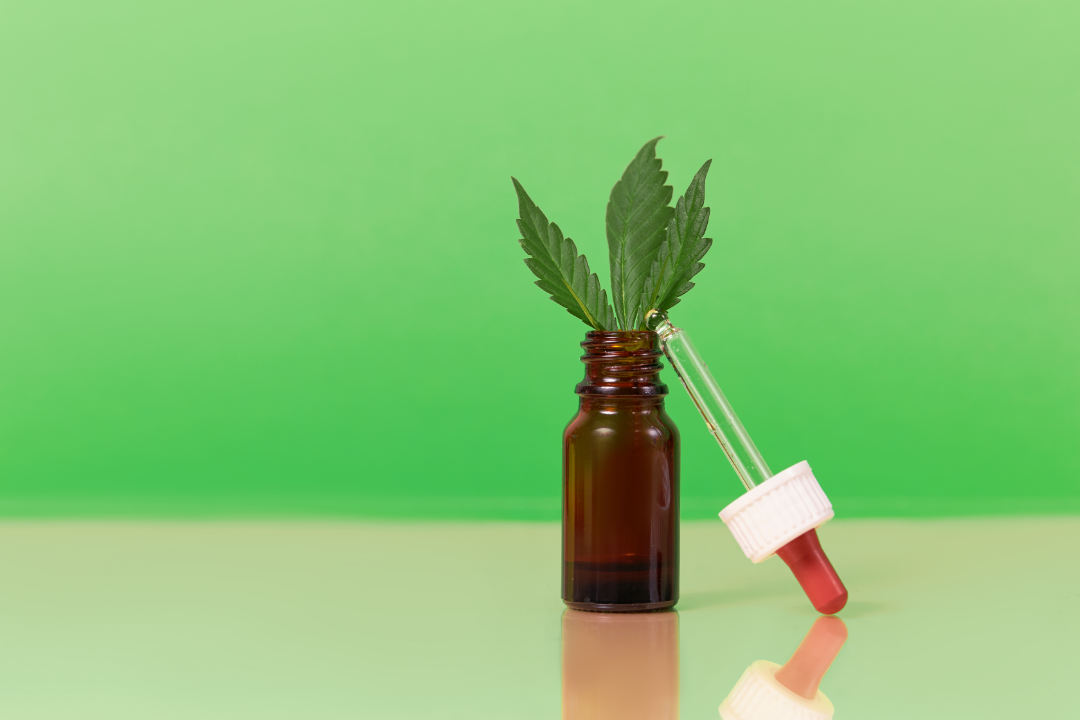
- Oils and tinctures: Offer precise dosing and long-lasting effects.
- Capsules and tablets: Provide convenience and consistent dosing.
- Vaporized products: Provide rapid relief but shorter duration.
- Topicals and creams: Used for localized pain and inflammation.
Your healthcare provider will guide you toward the form best suited for your condition and lifestyle.
Medicinal Benefits and Uses
Research continues to expand on the medical benefits of cannabis. Some well-supported uses include:
- Chronic pain relief: Especially neuropathic pain that doesn’t respond to traditional medications.
- Muscle spasticity: Particularly in multiple sclerosis.
- Epilepsy management: CBD-based products have shown efficacy in reducing seizure frequency.
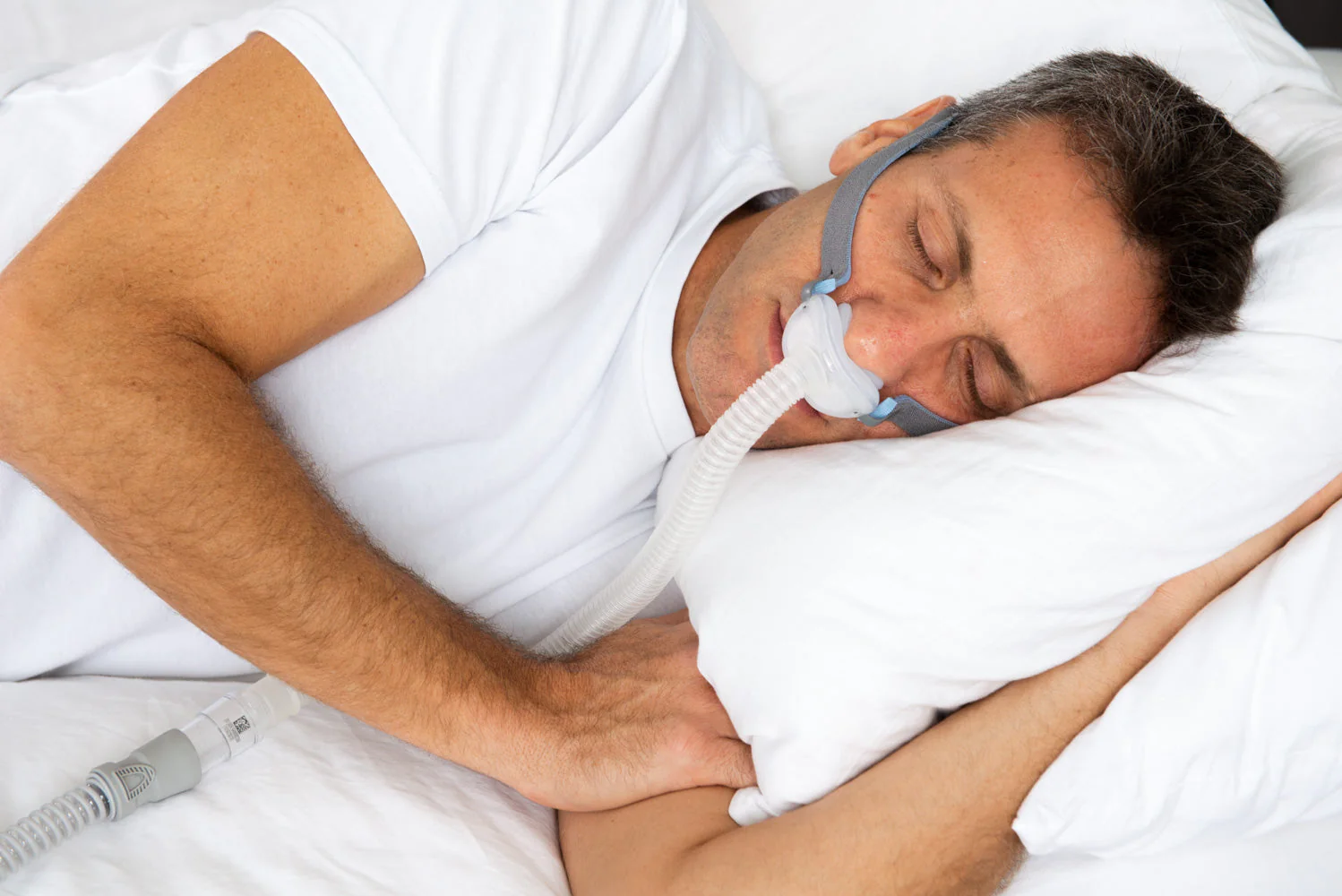
- Anxiety and insomnia: Low doses of CBD can promote relaxation and better sleep.
- Nausea and vomiting: Particularly for patients undergoing chemotherapy.
Clinical trials and patient case studies highlight cannabis’s potential to improve quality of life when used responsibly and under medical supervision.
Potential Risks and Side Effects
Despite its benefits, medical cannabis is not risk-free. Common side effects include:
- Drowsiness or fatigue
- Dizziness or lightheadedness
- Short-term memory impairment
- Dry mouth
- Altered coordination
High doses of THC may also cause anxiety or paranoia in sensitive users. Long-term effects are still being studied, but responsible, doctor-supervised use reduces the likelihood of harm.
Patients should also avoid driving or operating machinery until they know how cannabis affects them.
Responsible and Ethical Use
Healthcare providers face ethical considerations when prescribing medical cannabis. They must balance potential benefits against risks and ensure informed consent. Ethical prescribing also means monitoring patient outcomes, preventing dependency, and avoiding unnecessary or recreational misuse.
Patients, in turn, have a responsibility to use cannabis only as directed, avoid sharing prescriptions, and communicate openly with their doctors about side effects or changes in condition.

Research and Patient Case Insights
Recent Australian studies highlight how personalized dosing improves outcomes. For instance, a 2022 clinical trial found that chronic pain patients who received individualized THC/CBD combinations reported a 30% reduction in pain intensity with minimal adverse effects.
Patient testimonials also reveal positive outcomes—such as reduced reliance on opioids, improved sleep, and enhanced daily functioning—when cannabis is used as part of a comprehensive treatment plan.
Conclusion
Medical cannabis holds enormous therapeutic potential, but its effectiveness depends on proper dosing, professional oversight, and patient responsibility. As research and regulation evolve, healthcare systems in Australia and beyond are learning how to integrate cannabis safely into modern medicine.
Used correctly, it can be a transformative treatment—helping patients manage chronic symptoms and reclaim quality of life.
FAQS
Doctors start with a low dose and increase gradually based on the patient’s response. Factors like body weight, medical condition, THC/CBD ratio, and method of administration all influence the correct dosage. Regular follow-ups help ensure safety and effectiveness.
Yes, medical cannabis is legal in Australia under the Therapeutic Goods Administration’s (TGA) Special Access Scheme. Patients must have a prescription from an authorized doctor and can only access approved products through licensed suppliers or pharmacies.
For some patients, medical cannabis may reduce the need for traditional painkillers like opioids. However, it’s not suitable for everyone. A healthcare provider should supervise any medication changes to ensure balanced, safe pain management.
The onset time depends on the method of use. Inhaled cannabis acts within minutes, while oral forms like oils or capsules can take 30–90 minutes. Effects may last several hours, so patients should plan dosing accordingly.